
Understanding stress, anxiety, and burnout
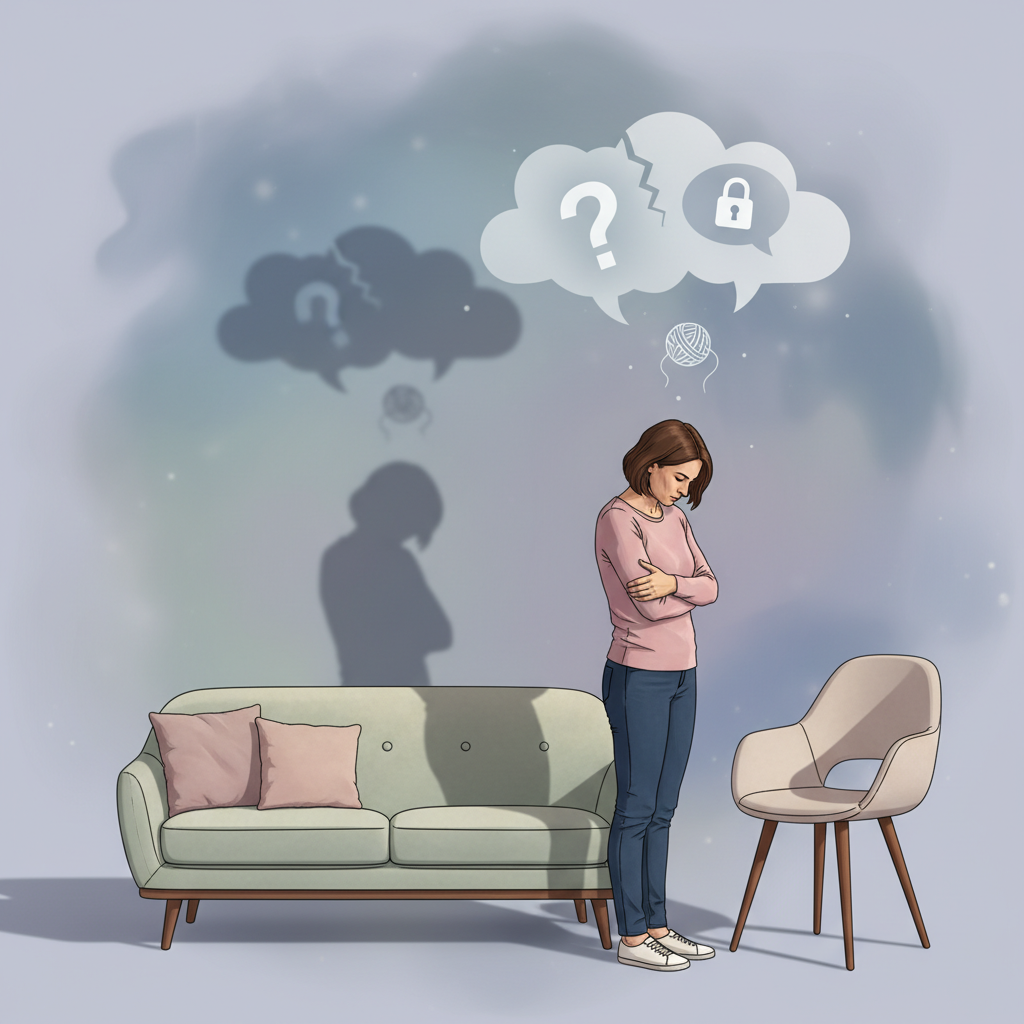
If you are exploring stress and anxiety counseling, you might already feel like you are operating at your limit. You may be functioning on the surface, but inside you feel wired, overwhelmed, or completely drained. Understanding what is happening internally is an important first step in deciding whether therapy can help.
Stress is typically a response to external pressures such as work demands, family responsibilities, health issues, or financial strain. It often shows up in your body as muscle tension, headaches, irritability, or difficulty sleeping. Counselors describe stress as a short-term reaction to things happening around you, even though it can repeat often in your daily life [1].
Anxiety is more of an internal experience. It involves persistent worry, racing thoughts, and a sense that something bad is going to happen, even when things are relatively stable. Anxiety can continue long after a stressful situation ends and can interfere with your work, relationships, and ability to relax [1].
Burnout develops gradually when chronic stress and anxiety go unaddressed. You may feel emotionally numb, detached from your life, or exhausted no matter how much you rest. Over time, prolonged stress and anxiety can lead to emotional and physical depletion, and you might notice yourself disengaging from work, family, or activities that used to matter to you [1].
If this sounds familiar, stress and anxiety counseling can provide structure, tools, and support so you do not have to navigate these experiences alone.
Signs you may need stress and anxiety counseling
Occasional stress and worry are part of life. It becomes a concern when your usual coping strategies are no longer enough, or when your symptoms begin to impact how you function day to day.
You might benefit from counseling if you notice some of the following patterns:
- You feel on edge, tense, or overwhelmed most days
- You struggle to fall or stay asleep because your mind will not slow down
- You experience racing thoughts, overthinking, or constant “what if” scenarios
- You have panic symptoms such as a racing heart, shortness of breath, or sudden waves of fear
- You feel emotionally exhausted, detached, or less able to care about things you used to value
- You rely heavily on numbing behaviors like overworking, scrolling, food, alcohol, or substances to get through the day
Many adults describe themselves as high functioning. On the outside they appear productive and composed, while internally they feel anxious and overstretched. If this resonates with you, services like high functioning anxiety therapy and work stress therapy are designed with these specific pressures in mind.
You do not have to wait for a crisis before you seek help. If you are asking yourself whether therapy for anxiety or therapy for chronic stress could help, that question alone is a valid reason to explore your options.
How stress and anxiety counseling supports you
Stress and anxiety counseling focuses on three main areas: understanding your patterns, building effective coping skills, and creating sustainable changes that fit your life. Research shows that mental health counseling provides a safe, confidential, and empathetic relationship that supports meaningful personal growth and resilience, especially for people dealing with stress and anxiety in high-pressure environments [2].
A safe, nonjudgmental space
Therapy offers a setting where you can speak openly about what you are experiencing without needing to filter or minimize it. Many people dealing with stress and anxiety are used to appearing “together” for others. In counseling, you do not have to perform or justify how overwhelmed you feel.
This kind of environment helps you explore thoughts, emotions, and behaviors that may be difficult to share elsewhere. According to mental health providers, therapy gives you a supportive place to express emotions and gradually reduce stress over time by feeling understood and validated [3].
Developing personalized coping strategies
Effective stress and anxiety counseling goes beyond general advice. You and your therapist identify your specific stressors, triggers, and thought patterns, then develop practical strategies that match your daily reality. Counseling supports you in:
- Learning anxiety management techniques and relaxation methods
- Creating healthier responses to stress so it does not always escalate
- Building confidence in your ability to handle future challenges
Research highlights that counseling helps individuals design coping strategies tailored to anxiety and stress, which can prevent problems from becoming chronic and increase self-sufficiency and confidence [2].
If you tend to spiral into worry, overthinking anxiety therapy can help you interrupt those loops and respond more flexibly to uncertainty. For ongoing symptoms, coping skills therapy for anxiety focuses specifically on tools you can use in real time.
Strengthening emotional regulation
When your nervous system feels overloaded, it becomes much harder to think clearly, make decisions, or stay present. Over time, this can show up as emotional outbursts, shutting down, or an increasing sense that your reactions are out of proportion to the situation.
Mental health counseling is shown to enhance emotional regulation by helping you recognize emotional triggers and apply mindfulness and stress management techniques in your daily life [2]. In practice, emotional regulation work might involve:
- Noticing early signs that you are becoming activated or overwhelmed
- Using grounding or breathing tools to calm your body
- Choosing responses that reflect your values instead of reacting automatically
If you struggle to manage strong emotions, emotional regulation therapy adults may be an important component of your treatment plan.
Evidence-based therapies for stress and anxiety
Stress and anxiety counseling often integrates several evidence-based approaches. These therapies have been studied extensively and are recommended because they consistently help reduce symptoms and improve functioning.
Cognitive Behavioral Therapy (CBT)
Cognitive Behavioral Therapy is one of the most widely used approaches for anxiety and stress. CBT helps you identify patterns of thinking that intensify your distress, then practice more balanced and realistic ways of viewing situations. Over time, this shifts how you feel and behave in response to stressors.
Professional therapy that includes CBT has been shown to reduce symptoms of anxiety and stress-related conditions by targeting unhelpful thoughts and behaviors directly [2]. For example, a study of stress management CBT for medical students found that treatment significantly reduced anxiety sensitivity and increased hope, which are important aspects of resilience under ongoing pressure [4].
If your anxiety comes with strong physical sensations or a fear of losing control, therapy for panic attacks often relies on CBT tools to help you reinterpret bodily cues and respond more calmly.
Dialectical Behavior Therapy (DBT) and mindfulness approaches
Dialectical Behavior Therapy and mindfulness-based therapies are especially helpful if you experience intense emotions, impulsive reactions, or difficulty tolerating distress. These approaches teach you skills in four areas:
- Mindfulness and present-moment awareness
- Emotion regulation
- Distress tolerance
- Interpersonal effectiveness
Evidence-based therapies such as CBT and DBT have been shown to teach practical coping skills that reduce anxiety, improve stress management, and support better daily functioning [3]. You might work on noticing early signs of burnout, using grounding exercises, or setting clearer boundaries around your time and energy.
Individual, group, and family therapy
Stress and anxiety counseling does not have to be limited to individual sessions. Depending on your needs, you might benefit from:
- Individual therapy to focus on your internal experience, trauma history, or specific anxiety symptoms
- Group therapy to reduce isolation, learn from others, and practice new skills in a supportive environment
- Family therapy to improve communication, boundaries, and understanding within your home
Group and family-based approaches can help you feel less alone and create stronger support systems, which are essential for ongoing stress and anxiety management [3].
Practical tools you learn in counseling
As you work with a therapist, you begin to collect tools that you can use both in and between sessions. These skills are tailored to you, but several methods are commonly included in stress and anxiety counseling.
The 4 As of stress management
Effective stress management often involves changing either the situation or your response to it. A practical framework called the “4 As” can help you and your therapist organize your options [5]:
- Avoid: When possible, you reduce exposure to unnecessary stressors, such as limiting certain commitments or stepping back from draining interactions.
- Alter: You adjust how you communicate, plan, or set boundaries in stressful situations to make them more manageable.
- Accept: You work on accepting events you cannot change, such as losses or major life transitions, while still caring for yourself emotionally.
- Adapt: You adjust your expectations, mindset, or coping style so that ongoing stressors feel more workable.
In therapy, you explore which of these options is realistic in your current season of life. Counselors emphasize a flexible approach that helps you balance priorities and prevent escalation into burnout [1].
Grounding and sensory-based techniques
When anxiety spikes, it can feel difficult to think clearly. Grounding techniques help you reconnect to the present moment through your senses. One widely used tool is the 5-4-3-2-1 coping technique, which guides you to notice:
- 5 things you can see
- 4 things you can touch
- 3 things you can hear
- 2 things you can smell
- 1 thing you can taste
This exercise refocuses your attention away from racing thoughts and back into your body and environment, which can reduce the intensity of anxiety or panic symptoms [6]. Slow, deep breathing before and during the exercise further supports your nervous system as it returns to a calmer state [6].
Your therapist might also help you experiment with other sensory strategies such as listening to calming music, using comforting scents, or keeping grounding objects nearby. These approaches can provide quick relief in moments of acute stress [5].
Lifestyle and routine adjustments
Stress and anxiety counseling often includes support around your daily habits. This might involve:
- Increasing rhythmic physical activity such as walking, swimming, or dancing
- Learning time management skills and realistic planning
- Identifying people you can reach out to for support
- Keeping a stress journal to track patterns in your thoughts, emotions, and behaviors
Keeping a stress journal can help you identify regular triggers and evaluate which coping strategies are helping you most. Over time, this self-awareness gives you and your therapist a clearer picture of how to adjust your plan [5].
If you are already practicing some of these habits but still feel overwhelmed, therapy for burnout adults can help you explore deeper changes in boundaries, values, and expectations.
What progress in counseling can look like
Progress in stress and anxiety counseling is not always linear, but research suggests that the majority of people who engage in therapy experience meaningful benefits. Studies report that about 80 percent of individuals with emotional regulation difficulties improve significantly with appropriate mental health treatment [2]. In addition, more than 75 percent of people who go to therapy for mental health challenges, including stress and anxiety, report positive changes within about six months [3].
As you continue counseling, you might notice that:
- You understand your patterns and triggers more clearly
- You catch early signs of stress or anxiety before they escalate
- You feel more capable of setting boundaries and saying no when needed
- Your internal critic softens, and you speak to yourself in a more supportive way
- Panic symptoms or intense worry episodes become less frequent or less overwhelming
You may still encounter stressful situations, but your sense of being controlled by them begins to shift. Over time, many people describe feeling more grounded, hopeful, and aligned with how they actually want to live.
If anxiety has been showing up in multiple areas of your life for a long time, anxiety therapy for adults or focused therapy for chronic stress can be valuable next steps in sustaining this progress.
When online or flexible therapy can help
If your schedule is full or you find it difficult to attend in-person appointments, online counseling can make stress and anxiety treatment more accessible. Platforms such as BetterHelp connect you with licensed, accredited therapists who specialize in issues like stress, anxiety, and burnout [7].
With online counseling, you can often:
- Communicate with your therapist through text, chat, audio, or video
- Schedule sessions at times that fit your work or family commitments
- Send messages between sessions when concerns arise
BetterHelp, for example, matches you with a therapist based on your specific concerns, then allows you to connect from any mobile device or computer, which can support consistent care even during busy periods [7].
If you are unsure which format is best for you, you can discuss the pros and cons of in-person, hybrid, or fully online models when you first reach out for therapy for anxiety or work stress therapy.
Deciding if now is the right time to start counseling
You might be weighing whether your stress or anxiety is “bad enough” to seek help. It is common to minimize what you are going through, especially if you are still meeting your responsibilities. Yet counseling is not only for crises. It is also for prevention, growth, and learning to navigate life in a way that feels more sustainable.
It may be time to consider stress and anxiety counseling if:
- You cannot remember the last time you felt genuinely rested
- Your body feels tense or “on alert” most of the time
- You feel stuck in patterns of overthinking, avoidance, or perfectionism
- You are worried you might be nearing burnout or have already crossed that line
Support from a therapist can help you sort through these concerns and create a clear, personalized plan. Whether you are facing chronic worry, work strain, or panic symptoms, focused services like therapy for panic attacks, overthinking anxiety therapy, or therapy for burnout adults are designed to meet you where you are.
You do not have to manage stress and anxiety on your own. With the right counseling support, it is possible to step out of survival mode, reconnect with yourself, and move toward a way of living that feels less overwhelming and more aligned with what matters to you.