You wake up already in the middle of it. Your heart is hammering, there is no dream to blame, and you lie there wondering if something is physically wrong. Then you start dreading the next night before it even arrives. If that sounds familiar, you are not alone. This guide answers the question you may have typed in the dark: what are nocturnal panic attacks and what are their symptoms? It then walks you through steps that some people find helpful. You will learn how to tell these attacks apart from other night wake-ups, what you can try in the moment, and what panic disorder treatment can look like with Refresh Psychotherapy in New York, NY, where Aetna, Cigna, and UnitedHealthcare are accepted. By the end, you may have a clearer picture of what your body is doing and what your next move could be.
What Are Nocturnal Panic Attacks and What Are Their Symptoms?
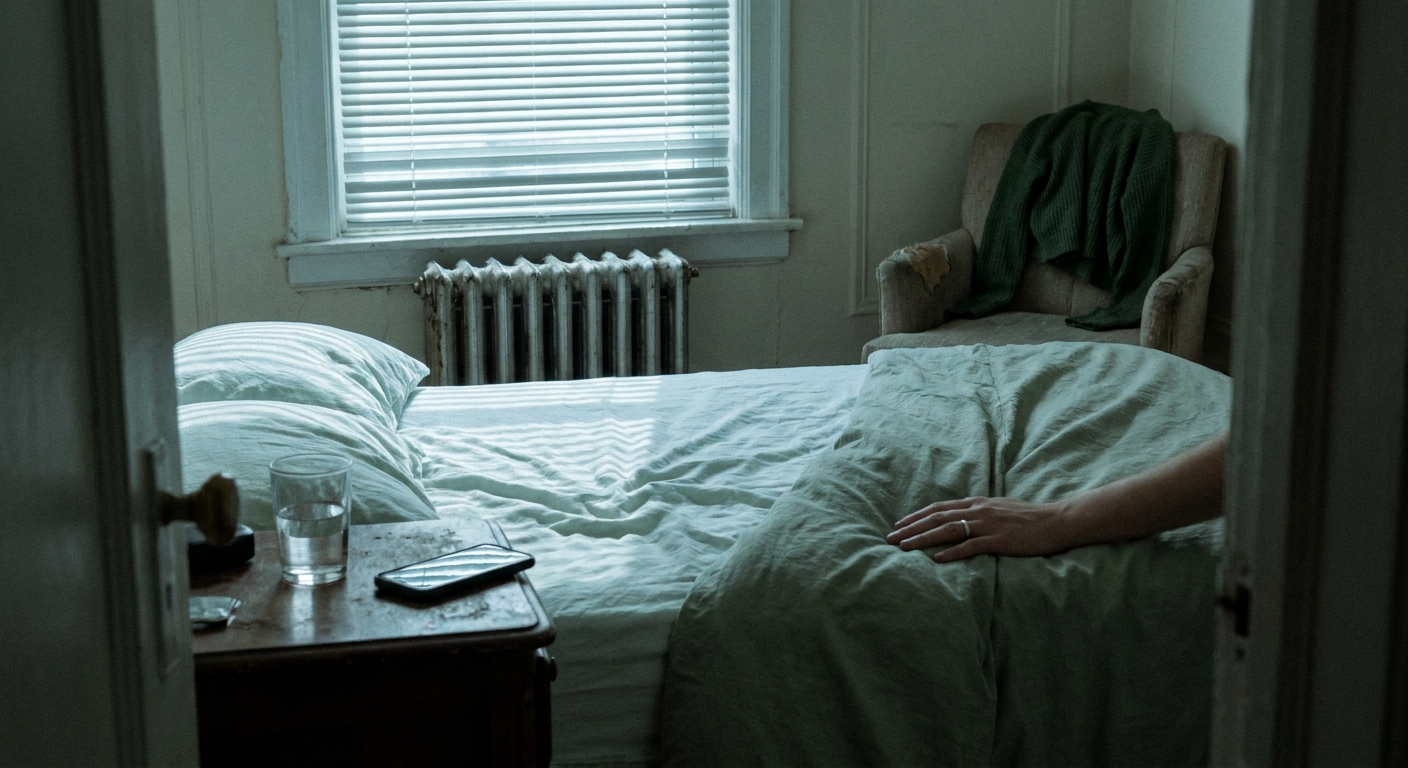
A nocturnal panic attack is a panic attack that wakes you from sleep. It usually comes out of non-REM sleep, with a sudden surge of intense fear and strong physical symptoms but no nightmare behind it. It is the same kind of attack people can have during the day. It simply arrives while you are asleep, and it is a recognized pattern that people seek treatment for.
A panic attack is an abrupt wave of fear or discomfort that peaks within minutes. Under the DSM-5 criteria that Refresh Psychotherapy clinicians use in diagnosis, an attack includes four or more of 13 possible symptoms. The National Institute of Mental Health describes many of the same signs. In plain language, a person might notice:
- A pounding or racing heart
- Sweating
- Trembling or shaking
- Shortness of breath, a smothering feeling, or a choking feeling
- Chest pain or tightness
- Nausea or an upset stomach
- Dizziness or lightheadedness
- Chills or waves of heat
- Numbness or tingling
- Feeling unreal or detached from oneself
- Fear of losing control, or fear of dying
Why is there often no dream? A clinical review on the assessment and treatment of nocturnal panic attacks describes these attacks as starting in non-REM sleep, a stage with less vivid dreaming. That is why a person often wakes already afraid, with no story to explain it. Some people have attacks only at night, while others have them both day and night, and researchers have compared these groups directly.
An attack itself typically passes within minutes. The fear of the next night can become its own difficulty. A person may start bracing at bedtime and sleeping lightly, and a tired, keyed-up body may startle awake more easily.
Prerequisites: What Should You Know Before Starting?
Before you start, it can help to have three things in place. Get a medical check if you have chest pain, fainting, or trouble breathing. Make a list of your current medications. Keep a simple note of when your night attacks happen and how they felt.
The medical check comes first for a reason. Panic symptoms can overlap with heart, lung, thyroid, and sleep problems, so seeing a doctor is a reasonable first step, not a waste of time. If the results come back clear, that does not mean you are “just anxious” or imagining it. It may mean you can focus on the panic itself with more information.
The medication list matters because Refresh Psychotherapy therapists ask about your psychiatric and medical history and your current medications in the first session. Having the names ready saves time and gives your therapist the full picture.
Write the note in the morning, not during the attack. Jot down roughly what time you woke, what your body did, how long it lasted, and what you did next. A few lines are enough.
You might worry that if you describe waking up gasping, someone will treat you as dramatic or judge you. That fear is common, and it keeps many people from calling. Needing support is normal, and therapy is not only for a crisis. A few weeks of broken sleep and dread at bedtime is reason enough to reach out.
Step 1: How Do You Tell a Nocturnal Panic Attack From a Nightmare, Night Terror, Sleep Apnea, or Reflux?
One of the quickest clues is the dream. Nightmares come with a dream you remember, while nocturnal panic usually wakes a person already afraid with nothing to recall. Sorting out the rest is the job of your clinician and doctor, so you do not have to solve it alone.
Here is a rough guide:
- Nightmare: wakes you with a clear memory of frightening dream content.
- Night terror: usually happens out of deep sleep, often with screaming or thrashing, and the person rarely remembers it in the morning.
- Sleep apnea: tends to bring snoring, gasping, and heavy daytime sleepiness, and a doctor may order a sleep study.
- Reflux: often brings burning in the chest or a sour taste, especially after late meals.
- Nocturnal panic: brings full awareness, a racing body, and fear, usually without dream content.
It also helps to know three terms. A panic attack is a single event. Panic disorder means repeated, unexpected attacks plus at least a month of worry about more attacks or changes in behavior, such as dreading sleep or staying up late to avoid it. Agoraphobia describes fear and avoidance of places or situations where escape could feel hard if panic hits. A person can have panic attacks without either condition, and none of these labels defines who you are.
At Refresh Psychotherapy, the diagnosis given in the first session is a working diagnosis. Your therapist confirms or refines it by session 3 or 4 as they learn more. During that intake period, Refresh Psychotherapy clinicians also distinguish between overlapping anxiety presentations, such as generalized anxiety and OCD. Your job is to describe what happens. Theirs is to help make sense of it.
Step 2: What Can You Try in the Moment When You Wake in a Panic?
When you wake in a panic, one approach many people find useful is to name it as a panic attack and let it peak and pass rather than fight it. These are general steps, not a Refresh protocol, and they may not work the same way for everyone.
It helps to know why fighting can backfire. Panic can run on a loop. A person notices a sensation, such as a skipped beat, and reads it as danger. The body releases adrenaline, which creates more sensations, which can feel like more proof of danger. Checking, bracing, and searching symptoms can keep the alarm switched on. With that loop in mind, you might try these steps:
- Name it. Tell yourself, “This is a panic attack. It peaks and passes.”
- Let it crest. Expect the surge to build for a few minutes. Riding it out may help your body learn the sensation can be tolerated.
- Slow the exhale. Breathe in normally, then breathe out longer than you breathed in. A slow exhale may help signal safety without forcing anything.
- Cool down. Kick off the blanket or open a window. Heat can make a racing heart feel worse.
- Stay put. Sit up or stay in bed. Avoid grabbing your phone to look up symptoms, since searching can feed the fear.
- Skip the emergency script for familiar attacks. If this is your usual pattern and a doctor has checked you, you might treat it as panic, not a crisis. If symptoms are new, different, or include chest pain or fainting, get medical care.
Step 3: What Happens in the First Sessions at Refresh Psychotherapy?
At Refresh Psychotherapy, therapy does not begin in session one. Your first 60-minute session is a diagnostic intake with the same therapist who will keep working with you. Assessment at Refresh Psychotherapy continues over the first 3 to 4 sessions, and you help build the treatment plan around the second session.
The process starts before you book. Refresh does not assign therapists. You choose your own clinician after reading profiles on the practice website or a therapist directory, comparing specialties, approach, and availability. The practice believes you are in the best position to judge fit. The therapist who does your intake at Refresh Psychotherapy also provides your ongoing care, so you do not have to repeat painful details to a second person.
The first session at Refresh Psychotherapy covers why you are seeking help, your current symptoms, your psychiatric and medical history, past treatment, medications, current stressors, how symptoms affect daily life, safety, and your strengths and goals. Over the next sessions, your therapist gathers family, work, relationship, and social history, and looks for patterns that rarely show up in a single hour.
Care at Refresh Psychotherapy is culturally informed throughout. Culture, family messages, and community experiences can shape how a racing heart or a sense of dread is felt and described, so clinicians approach your story with curiosity and explore your own understanding of what is happening. If you tried therapy before and it felt generic, that worry makes sense. Refresh builds treatment around you, not around a fixed number of sessions or a standard script. If the fit feels off later, the practice talks it through openly and helps you transfer to another clinician.
Step 4: How Does CBT Address Panic Disorder, and What Is Interoceptive Exposure?
Cognitive behavioral therapy (CBT) is a first-line psychotherapy for panic disorder, and it often includes interoceptive exposure. Medication is also an option, and some people combine therapy with medication.
The NIMH notes that CBT teaches new ways of thinking about and reacting to the feelings that come with panic. Clinical work on treating nocturnal panic draws on the same core tools. In general, CBT for panic may move through a sequence like this:
- Learning how panic works. You map your own loop, from sensation to alarm to more sensation, so the attack may feel less random.
- Cognitive restructuring. You and your therapist examine thoughts like “My heart is failing” and test them against what actually happened during past attacks.
- Homework between sessions. Skills often build with repetition, so short practice between appointments is part of the work.
- Interoceptive exposure. You safely bring on the sensations you fear, such as a racing heart or mild dizziness, in a controlled way. Over time, the sensations may lose some of their grip as the body learns they are not dangerous.
- Bringing it to bedtime. You apply what you have learned to the hours that feel hardest.
Refresh Psychotherapy clinicians draw on CBT, exposure-based work, and Acceptance and Commitment Therapy (ACT), depending on your diagnosis, goals, and the clinician’s training. ACT focuses on responding differently to uncomfortable sensations and thoughts while still acting on what matters to you. If CBT alone has not felt like a fit before, ACT is one more option to discuss with your therapist.
Step 5: What Medications Are Used for Panic Disorder, and How Do They Compare?
SSRIs and SNRIs are the first-line medications for panic disorder. Benzodiazepines are generally for short-term use, and beta-blockers target physical symptoms. Refresh Psychotherapy provides psychotherapy, so medication decisions are made with a separate prescriber, such as a psychiatrist or a primary care doctor.
The main medication classes, as described by the NIMH, are:
- SSRIs (selective serotonin reuptake inhibitors): a first-line, ongoing treatment option
- SNRIs (serotonin-norepinephrine reuptake inhibitors): also first-line and used for ongoing treatment
- Benzodiazepines: fast-acting anti-anxiety medications, usually prescribed for short periods
- Beta-blockers: sometimes used to blunt physical symptoms such as a fast heartbeat
| Medication class | How fast it works | Main risks or downsides | Intended use |
|---|---|---|---|
| SSRIs and SNRIs | Several weeks for full effect | Side effects can occur, especially early on | First-line, ongoing treatment |
| Benzodiazepines | Quickly, often within hours | Tolerance and dependence, so doses may need to rise over time and stopping needs medical guidance | Short-term relief, under close prescriber guidance |
| Beta-blockers | Fairly quickly for physical symptoms | Do not address the fear itself | Not a standard panic treatment; sometimes used for physical symptoms |
Because Refresh asks about current medications at intake, your therapist will know what you are taking and can factor it into your care.
Step 6: When Should You Seek Help for Panic Attacks?
Consider seeking help when panic attacks are more than occasional, when you dread going to sleep, or when worry about the next attack has lasted a month or more. Get prompt medical care for chest pain or fainting, and call or text 988 if you have thoughts of harming yourself.
Signs it may be time to reach out:
- Attacks happen more than once in a while, at night or during the day
- You fear going to sleep or stay up late to avoid it
- You have started avoiding places, activities, or situations
- Worry about the next attack has lasted a month or longer
- Tiredness from broken sleep is affecting work or relationships
Urgent signs:
- Chest pain, fainting, or severe trouble breathing need prompt medical evaluation
- Thoughts of suicide or self-harm: call or text 988 to reach the 988 Suicide and Crisis Lifeline any time
Refresh Psychotherapy is an outpatient practice. It does not provide inpatient, partial hospitalization (PHP), or intensive outpatient (IOP) care, and it refers people to other providers when a higher level of care is needed. For some people with nocturnal panic, outpatient therapy is a reasonable starting point.
How Long Does Panic Disorder Treatment Take?
There is no single timeline. Experiences with panic disorder treatment differ from person to person, and Refresh Psychotherapy does not use a fixed session count or a standard schedule.
What you can expect is a structured start. The first 3 to 4 sessions at Refresh Psychotherapy are an assessment period, so the plan you follow afterward rests on a fuller picture of you rather than one hour of information. From there, your therapist checks in on whether the symptoms and daily struggles that brought you in are changing. For nocturnal panic, a person and therapist might track things like the number of wake-ups, dread at bedtime, or how easily sleep returns after an attack.
If you add medication, SSRIs and SNRIs generally take several weeks to reach full effect, which is one reason prescribers often ask for patience early on. The skills you practice between sessions are what carry the work forward. Some people find that as they come to understand how panic works and practice facing the sensations, the fear of sleep may shift gradually rather than all at once. A setback night does not erase effort already made.
Where and How Can You Get Started With Refresh Psychotherapy in New York, NY?
Refresh Psychotherapy is an outpatient group practice in New York, NY, serving New York City, including Manhattan and Brooklyn, with teletherapy for adults across New York State. The practice accepts Aetna, Cigna, and UnitedHealthcare, and cash pay is also available.
Teletherapy can be a relief after a night of broken sleep, when a commute feels like too much. Many of the professionals Refresh works with also have tight schedules. Because Refresh is a group practice with a culturally diverse team, if your first-choice therapist is full, you may be able to find another clinician whose hours fit before work, at lunch, or in the evening. That flexibility may help you start sooner.
On insurance, call your plan to confirm your mental health benefits, copays, and any deductible before your first session. Federal parity rules generally require health plans that cover mental health care to do so on terms comparable to medical care, which is worth knowing when you ask questions.
When you are ready, you can browse therapist profiles at Refresh Psychotherapy and choose the person whose background and approach speak to you. That choice is the first step toward care shaped around you.
What Do People Usually Ask About Night Panic?
People most often ask whether panic can happen during sleep, whether it signals a heart problem, and whether they need medication. Here are short answers.
What are nocturnal panic attacks and what are their symptoms, in short? They are panic attacks that wake a person from sleep, with a racing heart, sweating, shortness of breath, shaking, and intense fear, usually without a dream behind them.
How do I know if it was a panic attack or a nightmare? Nightmares come with a dream you remember. Nocturnal panic usually wakes a person already afraid, with no dream content.
Are nocturnal panic attacks a sign of a heart problem? The symptoms can feel cardiac, so a medical check is reasonable for chest pain or breathing trouble. A clinician can help sort out the rest.
Do I need medication for nocturnal panic attacks? Not necessarily. CBT is a first-line option, and medication is an optional choice made with a prescriber, since Refresh provides psychotherapy.
Does Refresh Psychotherapy offer telehealth in New York? Yes. Teletherapy is available for adults across New York State, alongside care serving Manhattan and Brooklyn.
What insurance does Refresh Psychotherapy accept for panic treatment? Aetna, Cigna, and UnitedHealthcare are accepted, and cash pay is also available. Confirm your benefits with your plan before booking.
What Might You Take Away From This?
Therapy cannot promise that you will never wake in fear again. What it may offer is a clearer understanding of what nocturnal panic is, a different relationship with your body’s sensations, and, for some people, nights that feel safer.
Nocturnal panic is a recognized pattern that people seek help for. The aim of treatment is to change how a person responds when the heart jumps at 3 a.m., so the sensation may have less hold on the night and the dread before bed may ease over time.
Your next step could be to book a first 60-minute intake session with a Refresh Psychotherapy therapist you choose from the profiles on the website, including by teletherapy if that is easier. Bring a list of your current medications and your note on when the night attacks happen. Start that note tomorrow morning with the time you woke, what your body did, and what you did next. That one page gives your therapist more to work with in the first hour than a foggy memory would.
You Don’t Have to Face the Night Alone
Waking up with a racing heart and a sense of dread can make you doubt whether sleep will ever feel safe again. Nocturnal panic attacks are real and understandable, and they are something a therapist can help you work through. If you’re in New York, NY and ready to talk about individual psychotherapy at Refresh Psychotherapy, call the office and take the first step toward calmer nights.
Individual experiences vary, and this article is general information, not medical advice. If you have chest pain, fainting, or trouble breathing, seek medical care promptly; if you are in crisis, call or text 988.