
Understanding teen anxiety and why it feels so overwhelming
When you watch your child struggle, it can be hard to tell where typical teen stress ends and an anxiety problem begins. Therapy for anxious teenagers helps you sort out that line, gives your teen concrete tools to cope, and supports you as a parent in knowing how to respond.
Anxiety is the most common mental health condition in children and teens, affecting roughly 8 percent of young people in the United States at any given time, with rates increasing since the COVID‑19 pandemic [1]. Recent surveys suggest that about one in four teens will experience an anxiety disorder, and around 20 percent report significant anxiety symptoms within a two week period [2].
You are not alone in facing this with your child. Understanding what anxiety can look like in teenagers is the first step to getting effective help.
How teen anxiety shows up day to day
Teen anxiety often does not look like simple “worry.” It can show up in ways that are easy to misread as defiance, laziness, or “attitude.”
Common signs include changes in:
Emotions and mood
Your teen might:
- Worry constantly about school, friends, sports, or the future
- Seem irritable, on edge, or unusually sensitive
- Have frequent mood swings or emotional outbursts that feel “out of proportion”
- Cry easily, shut down, or seem emotionally flooded in situations that never used to bother them
Anxiety and emotional regulation are closely linked. When your teen’s nervous system is in a near constant state of alarm, small problems can trigger big reactions. Targeted therapy for teen emotional regulation can help them learn to notice early warning signs and respond in healthier ways.
Thoughts and behavior
An anxious teenager may:
- Avoid school, social events, or new situations
- Ask repeated reassurance questions like “Are you mad at me?” or “What if I fail?”
- Procrastinate to the point that assignments or responsibilities pile up
- Spend a lot of time replaying conversations or imagining worst‑case scenarios
- Seem perfectionistic and devastated by minor mistakes
You might see a sudden drop in grades, withdrawal from activities they used to enjoy, or even lying to get out of stressful situations. These behavior changes are often attempts to escape overwhelming anxiety, not a lack of motivation.
Body and physical health
Anxiety is as much a physical experience as a mental one. Teens often report:
- Stomachaches, nausea, or trips to the nurse’s office
- Headaches or unexplained body pains
- Trouble falling or staying asleep
- Fatigue and low energy
- Racing heart, sweating, or shortness of breath in stressful moments
When anxiety spikes quickly, your teen may experience panic. Repeated episodes can turn into panic attacks, which are terrifying for both teens and parents. Specialized therapy for teen panic attacks focuses on understanding and calming those intense reactions.
If these signs are interfering with school, friendships, family life, or your teen’s ability to enjoy ordinary activities, it is time to consider professional support.
How therapy for anxious teenagers actually works
You might wonder what your teen will do in sessions and how talking could really change what you see at home. In practice, therapy for anxious teenagers is structured, skills focused, and tailored to your child’s specific challenges.
Cognitive Behavioral Therapy as a core approach
Most evidence based treatment for teen anxiety is built on Cognitive Behavioral Therapy, or CBT. CBT teaches teenagers to recognize how their thoughts, feelings, and behaviors are connected, and then helps them change unhelpful patterns.
Research across multiple randomized controlled trials shows that CBT and related psychological therapies significantly reduce anxiety symptoms in adolescents compared to control conditions, with moderate effect sizes overall [3]. Around two‑thirds of youth become free of their primary anxiety diagnosis after 12 to 16 weeks of CBT based treatment [4].
CBT with teens typically includes:
- Education about anxiety and how the brain and body respond to stress
- Identifying negative or catastrophic thoughts, such as “Everyone will laugh at me”
- Challenging and reframing these thoughts into more balanced ones
- Building coping strategies like problem solving, relaxation, and assertive communication
- Gradual exposure to feared situations, so avoidance starts to shrink
Studies show that over 77 percent of adolescents who participate in CBT for conditions like anxiety, depression, PTSD, and OCD show meaningful symptom improvement, and the majority maintain those gains over time [5].
Exposure therapy to break the anxiety cycle
Avoidance is at the heart of most anxiety problems. Exposure therapy, a central component of CBT, helps your teen face feared situations step by step instead of running from them.
In exposure based work, the therapist and your teen:
- Create a “fear ladder” that lists stressful situations from least to most difficult
- Start with manageable steps, such as raising a hand in class, saying hello to a classmate, or going to a social event for a short time
- Practice each step repeatedly until anxiety naturally decreases
- Move up the ladder at a pace that is challenging but not overwhelming
Exposure has been shown to produce large reductions in anxiety symptoms in children and adolescents [4]. For many teens, this approach is what turns insight into real‑world confidence.
If your child tends to get overwhelmed by daily demands, a program focused on therapy for overwhelmed teens often mixes exposure with time management and stress reduction skills.
Individual, group, and family components
Effective therapy for anxious teenagers often blends different formats:
- Individual therapy gives your teen private time with a trained therapist. They explore triggers, build coping tools, and practice CBT or exposure techniques tailored to their personality and situation [6].
- Group therapy places your teen in a small, therapist led group with peers facing similar struggles. This can normalize their experience, reduce isolation, and build social skills, although it may be less comfortable initially for very introverted teens or those with intense social anxiety [6].
- Parent involvement might include occasional joint sessions, parent guidance, or formal parent coaching, which focuses on communication, limit setting, and practical ways to support your teen at home [6].
Outpatient programs bring these elements together in a flexible schedule, so your child can continue school and activities while receiving structured support [6].
If you are exploring options more broadly, you may find it helpful to look at resources on mental health support for teens.
What your teen learns in anxiety focused therapy
When you think about therapy, you might picture long conversations about feelings, and those are important. However, therapy for anxious teenagers is also very practical. Your child is learning a set of skills that they can use long after treatment ends.
Emotional regulation and coping skills
Teens often arrive in therapy feeling at the mercy of their emotions. Sessions help them:
- Name what they are feeling and notice early cues of rising anxiety
- Use breathing exercises, progressive muscle relaxation, or grounding skills to calm their body [1]
- Choose coping strategies that fit different situations, such as taking a break, using self talk, or asking for support
- Recover from emotional outbursts without shame
This type of work is closely aligned with therapy for teen mood swings and teen stress and pressure therapy, since the same tools that calm anxiety also stabilize mood.
Dialectical Behavior Therapy, or DBT, is another approach commonly used with emotionally overwhelmed teens. Books like “DBT Skills for Teens with Anxiety” describe how DBT techniques help teenagers manage intense feelings, tolerate distress, and stay present during stressful moments [7].
Thinking skills that reduce fear and self‑doubt
Anxious teens tend to think in extremes: “I will fail,” “They will all judge me,” or “If I make a mistake, everything will fall apart.” CBT based therapy teaches your teen to:
- Catch automatic negative thoughts as they show up
- Examine evidence for and against those thoughts
- Replace all‑or‑nothing thinking with more flexible, realistic perspectives
- Build a kinder, more encouraging inner voice
Books such as “Anxiety Relief for Teens” and “The Anxiety Survival Guide for Teens” mirror these strategies, offering quizzes, exercises, and CBT tools that complement therapy by reinforcing what your teen learns in session [8].
Confidence, social skills, and school strategies
Anxiety often affects school performance and friendships. Therapy can address:
- Test anxiety and performance fears, with strategies like better study habits, visualization of success, and realistic planning for high‑stakes exams such as finals or standardized tests [1]
- Social anxiety, through role plays, communication practice, and graded exposure to social situations, which research shows can significantly improve confidence and relationship skills in teens [5]
- Healthy media and technology use, so your teen can stay connected without fueling comparison or constant stress [2]
Therapists may also collaborate with schools to adjust workloads, provide testing accommodations, or support your teen’s return to the classroom after absences due to anxiety.
If your teen’s anxiety has already started to interfere with everyday functioning, a focused program in therapy for teen anxiety can help stabilize school and social life while building long term resilience.
Your role as a parent in the therapy process
You play a central part in whether therapy for anxious teenagers results in lasting change. You cannot “do therapy” for your child, but you can create the conditions where new skills take root.
Supporting without rescuing
One of the hardest shifts for parents is moving from removing every obstacle to coaching their teen through challenges. Parent focused guidance and parent coaching therapy help you:
- Validate your teen’s feelings without automatically solving the problem
- Set limits that encourage gradual exposure instead of avoidance
- Respond calmly to anxiety driven behaviors like meltdowns or refusals
- Coordinate with the therapist so you are reinforcing the same skills at home [6]
Resources like “Parenting a Troubled Teen” and “You and Your Anxious Child” provide practical, evidence based strategies for supporting anxious teens while caring for your own well‑being [9].
Building resilience and self‑esteem
Anxiety often leaves teens feeling broken or “less than.” You can help counter that by:
- Pointing out strengths and small wins, not only problems
- Encouraging hobbies, sports, arts, or volunteering where your teen can feel capable
- Reframing setbacks as learning opportunities rather than failures
- Praising effort and courage, especially when your teen does something that scares them [2]
Journaling can also be a powerful tool. Guided journals such as “Goodbye, Anxiety” and “Start Where You Are” show teens how to express feelings, track growth, and notice patterns in their worry [7].
Keeping communication open
Teens are more likely to benefit from therapy when they feel emotionally safe with you. You can:
- Invite, rather than demand, conversation about how they are feeling
- Listen more than you speak, and save problem solving for later
- Acknowledge that asking for help is a sign of bravery, not weakness [7]
- Share some of your own age‑appropriate challenges and coping strategies
Conversation tools like “Let’s Talk About Anxiety” offer question cards and activities that can make it easier to start these discussions and keep them going [7].
When therapy may include medication or telehealth
Not every anxious teenager needs medication. However, for some teens, especially those whose anxiety severely disrupts daily functioning, a combination of therapy and medication can be helpful.
Medication as a support, not a substitute
Selective serotonin reuptake inhibitors, or SSRIs, are the most commonly prescribed medications for teen anxiety. They are usually considered when:
- Anxiety symptoms are severe and persistent
- Your teen is unable to participate meaningfully in therapy because anxiety is so high
- There is co‑occurring depression or other mental health conditions
Medication is typically used alongside CBT, not instead of it, so your teen can build long term coping skills while symptoms become more manageable [2]. Decisions about medication should always be made in consultation with a child and adolescent psychiatrist or a knowledgeable pediatrician, with attention to benefits, risks, and close monitoring.
Teletherapy and accessibility
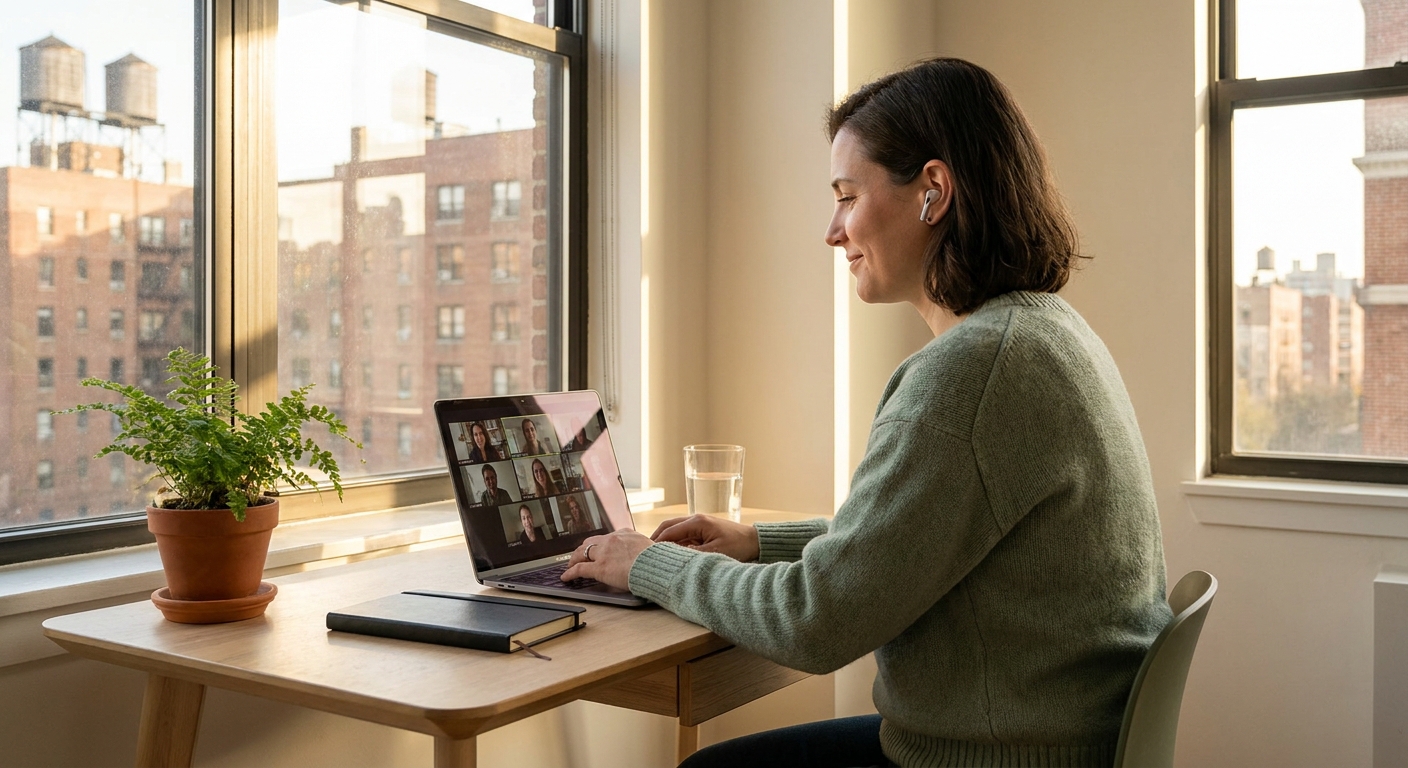
Virtual therapy has expanded access to specialized care for anxious teenagers. Many CBT and exposure based approaches translate well to video sessions, and therapists now have dedicated tools and strategies for making telehealth engaging for young people.
“The Teletherapy Toolkit” outlines how clinicians can adapt materials and activities to online formats while still effectively treating anxiety, stress, behavior, and focus concerns in children and teens [9]. Teletherapy may be a good option if:
- You live in an area with limited local teen specialists
- Your teen feels more comfortable starting therapy from home
- School and activity schedules make in person sessions difficult
Whether your child is seen in person or virtually, what matters most is the quality of the relationship with the therapist and the consistent practice of skills between sessions.
Deciding if therapy is right for your teen now
You might still be weighing whether your child truly needs formal help or if this is just a “phase.” Some reflection questions can guide your next steps:
- Is anxiety interfering with school attendance, grades, or participation?
- Has your teen stopped doing activities or seeing friends they once enjoyed?
- Are you seeing physical signs such as frequent headaches, stomachaches, or sleep problems?
- Do worry and fear seem to control your teen’s decisions more often than not?
- Are family routines being disrupted regularly by anxiety driven behaviors?
If you are answering “yes” to several of these, scheduling an evaluation can provide clarity, even if you are unsure about ongoing treatment. A mental health professional can help determine whether a focused approach like therapy for teen anxiety or more broad mental health support for teens is the best fit.
Remember that early intervention tends to be more effective and less intensive. CBT and related therapies are typically time limited, often around three to four months with booster sessions as needed, and many teens continue to improve even after formal treatment ends [4].
By choosing therapy for your anxious teenager, you are not labeling your child or giving up on their resilience. You are offering them a structured environment to understand what they are feeling, practical tools to manage it, and a pathway back to the development, learning, and everyday joys that anxiety may have interrupted.
References
- (Johns Hopkins Medicine)
- (HelpGuide)
- (PMC)
- (PMC)
- (Talkspace)
- (Anxiety Institute)
- (Read Brightly)
- (Read Brightly, ADAA)
- (ADAA)